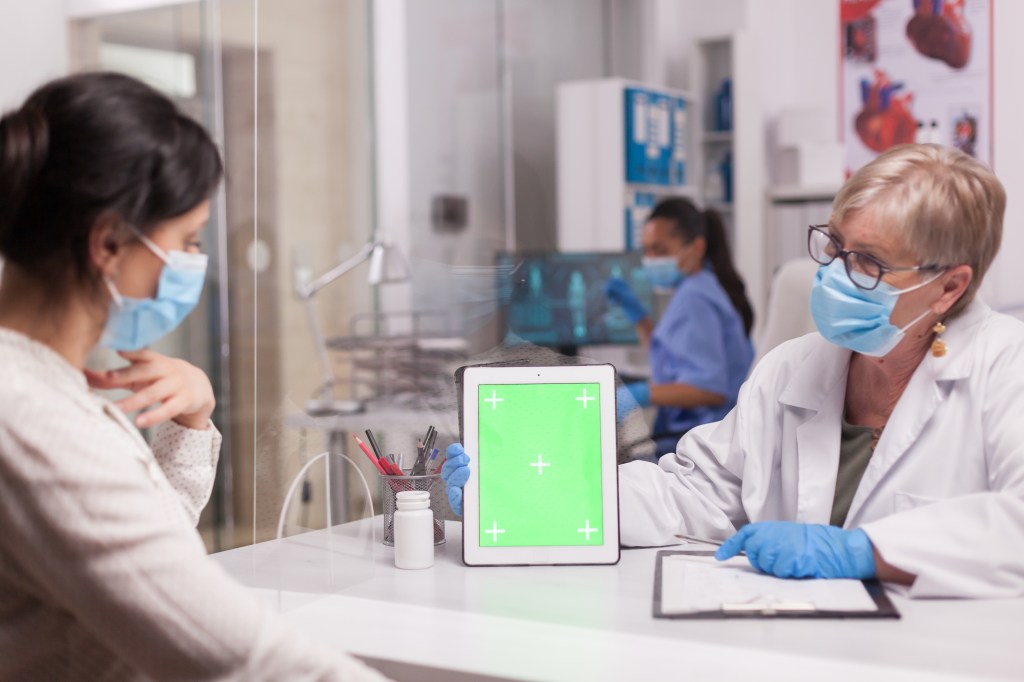
The global healthcare sector is undergoing a digital revolution, and at the forefront of this transformation is telemedicine mobile app development. With the ability to connect patients and healthcare providers across geographical boundaries, telemedicine is breaking barriers and redefining the way medical care is delivered. Particularly in tech-forward regions like Dubai, telemedicine software development services are driving innovation to meet the demands of modern healthcare systems.
By leveraging advanced technologies, these services enable remote consultations, prescription refills, and real-time health monitoring, improving patient access to quality care and reducing the burden on healthcare facilities. As the world continues to embrace digital health solutions, telemedicine mobile app development and telemedicine software development services in Dubai will play a pivotal role in shaping the future of healthcare.
Definition of Telemedicine
Telemedicine, also known as telehealth, refers to the delivery of healthcare services remotely using telecommunications technology. This innovative approach enables healthcare providers to diagnose, treat, and monitor patients without requiring in-person visits. By utilizing telemedicine mobile app development and telemedicine software development services in Dubai, healthcare providers can offer a wider range of services, including consultations, prescriptions, and remote monitoring, to patients in urban and rural areas alike.
Types of Telemedicine
1. Store-and-Forward Telemedicine:
- Medical information, such as images or test results, is captured and transmitted electronically to a healthcare provider for review.
- This method is useful for remote diagnosis and second opinions.
2. Real-Time Telemedicine:
- Involves live, interactive communication between the patient and healthcare provider.
- This type of telemedicine is ideal for urgent care, consultations, and follow-up appointments.
3. Remote Patient Monitoring:
- Uses wearable devices and sensors to monitor a patient’s health conditions remotely.
- Real-time data is transmitted to healthcare providers, enabling early intervention and proactive care.
4. Mobile Health (mHealth):
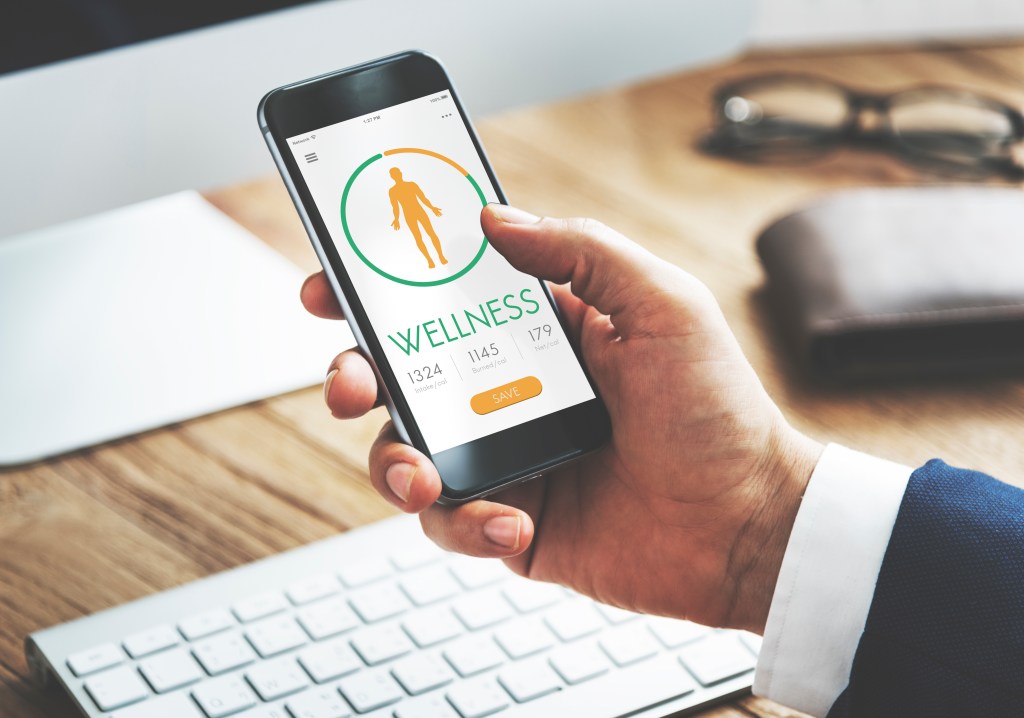
- Leverages mobile devices to deliver health information, track symptoms, and provide remote consultations.
- MHealth apps can empower patients to take control of their health and engage in self-care.
Top Company Offering Telemedicine Software Development Services in Dubai
When it comes to top-notch telemedicine software development services in Dubai, SISGAIN stands out as a leading company. They specialize in creating cutting-edge telemedicine mobile app development solutions that cater to the evolving needs of the healthcare industry. With a focus on innovation and patient experience, SISGAIN’s telemedicine apps offer seamless remote consultations, secure data transfer, and efficient appointment scheduling. Their team of experts ensures that these apps adhere to the highest security standards and regulatory compliance, providing peace of mind for both healthcare providers and patients.
Why Choose SISGAIN for Telemedicine App Development?
- Expertise and Experience: SISGAIN boasts a team of skilled developers with extensive experience in healthcare app development. They understand the complexities of the industry and can deliver tailored solutions.
- Custom Solutions: They offer customized telemedicine app development services to meet specific requirements, ensuring a seamless integration with existing healthcare systems.
- Advanced Technology: SISGAIN leverages advanced technologies like AI, machine learning, and IoT to enhance the functionality and user experience of their telemedicine apps.
- Security and Compliance: They prioritize data security and adhere to strict industry standards like HIPAA to protect sensitive patient information.
- User-Centric Design: Their telemedicine apps are designed with user experience in mind, providing intuitive interfaces and seamless navigation.
Benefits of Telemedicine Services
Telemedicine offers a wide range of benefits for both patients and healthcare providers:
For Patients:
- Increased Access to Care: Telemedicine expands access to healthcare services, especially for those living in rural or underserved areas.
- Convenience: Patients can consult with healthcare providers from the comfort of their own homes, saving time and effort.
- Reduced Wait Times: Telemedicine appointments can often be scheduled more quickly than in-person visits.
- Improved Health Outcomes: Regular virtual consultations can help patients manage chronic conditions and prevent health problems.
For Healthcare Providers:
- Enhanced Efficiency: Telemedicine can streamline workflows and reduce administrative burdens.
- Improved Patient Engagement: Virtual consultations can foster stronger patient-provider relationships.
- Cost Savings: Reduced overhead costs associated with physical facilities and travel.
- Expanded Reach: Telemedicine allows healthcare providers to reach a wider patient base.
Why Telemedicine Mobile Apps Are Transforming Healthcare
Telemedicine mobile apps are revolutionizing the healthcare industry by offering a convenient and efficient way to access medical services. These apps enable patients to connect with healthcare providers remotely, eliminating the need for physical visits.
By leveraging telemedicine mobile app development and telemedicine software development services in Dubai, healthcare providers can offer a wide range of services, including consultations, prescription refills, and remote monitoring. These apps also facilitate real-time communication, allowing for immediate diagnosis and treatment recommendations. Additionally, telemedicine apps promote preventive healthcare by enabling regular check-ins and health monitoring. By embracing digital health solutions, healthcare providers can improve patient outcomes, reduce healthcare costs, and enhance the overall patient experience.
Key Features of Telemedicine Mobile App Development
Successful telemedicine mobile app development integrates features that enhance user experience while maintaining regulatory compliance.
- Secure User Authentication: Robust security measures to protect patient data.
- Real-Time Video and Audio Conferencing: High-quality video and audio for seamless communication.
- Secure Messaging: Encrypted messaging for confidential communication between patients and providers.
- Electronic Health Records (EHR) Integration: Seamless integration with existing EHR systems.
- Appointment Scheduling: Easy scheduling and rescheduling of appointments.
- Remote Patient Monitoring: Real-time monitoring of vital signs and other health metrics.
- Prescription Management: Secure prescription management and e-prescribing capabilities.
- Payment Integration: Secure payment options for consultations and services.
- Push Notifications: Timely notifications for appointments, reminders, and alerts.
Technologies Used in Telemedicine App Development
- Cloud Computing
Provides scalable infrastructure for storing and processing large volumes of patient data.
- Real-Time Communication
Technologies like WebRTC enable real-time video and audio conferencing, facilitating seamless patient-provider interactions.
- Artificial Intelligence (AI) and Machine Learning
AI-powered algorithms can analyze patient data to identify trends, predict potential health risks, and offer personalized recommendations.
- Internet of Things (IoT)
IoT devices can be integrated into telemedicine apps to monitor patient health metrics remotely, such as heart rate, blood pressure, and glucose levels.
- Blockchain
Ensures secure and transparent data sharing and storage, protecting patient privacy and data integrity.
- Augmented Reality (AR) and Virtual Reality (VR)
AR and VR technologies can be used to enhance remote consultations and provide immersive training experiences for healthcare professionals.
Challenges in Telemedicine Mobile App Development
While telemedicine offers numerous benefits, developing effective telemedicine mobile apps presents several challenges. One significant challenge is ensuring data security and privacy, especially when handling sensitive patient information. Strict adherence to data protection regulations like HIPAA is crucial. Another challenge lies in integrating telemedicine apps with existing healthcare systems and electronic health records (EHRs). Ensuring seamless data exchange and interoperability can be complex.
Additionally, technical limitations, such as network connectivity issues and device compatibility, can hinder the user experience. Furthermore, regulatory hurdles and reimbursement policies can impact the adoption and widespread use of telemedicine. Addressing these challenges requires careful planning, robust security measures, and collaboration between healthcare providers, technology developers, and policymakers.
How Telemedicine Is Shaping Healthcare in Dubai
Dubai has embraced telemedicine as a vital component of its healthcare strategy:
- Growth During COVID-19
The pandemic accelerated the adoption of telemedicine, with many hospitals and clinics offering virtual consultations.
- Government Initiatives
Programs like the Dubai Health Authority’s (DHA) Telemedicine Initiative aim to make virtual healthcare accessible to all residents.
- Success Stories
Platforms like HealthHub and Seha demonstrate the effectiveness of telemedicine in improving patient outcomes.
Conclusion
Telemedicine mobile app development is transforming the healthcare industry by making medical services more accessible, efficient, and patient-centric. With Dubai leading the charge in telemedicine software development services, businesses and healthcare providers have an unprecedented opportunity to innovate and improve care delivery. Investing in telemedicine today isn’t just a smart move—it’s a necessity for staying ahead in a rapidly evolving healthcare landscape.
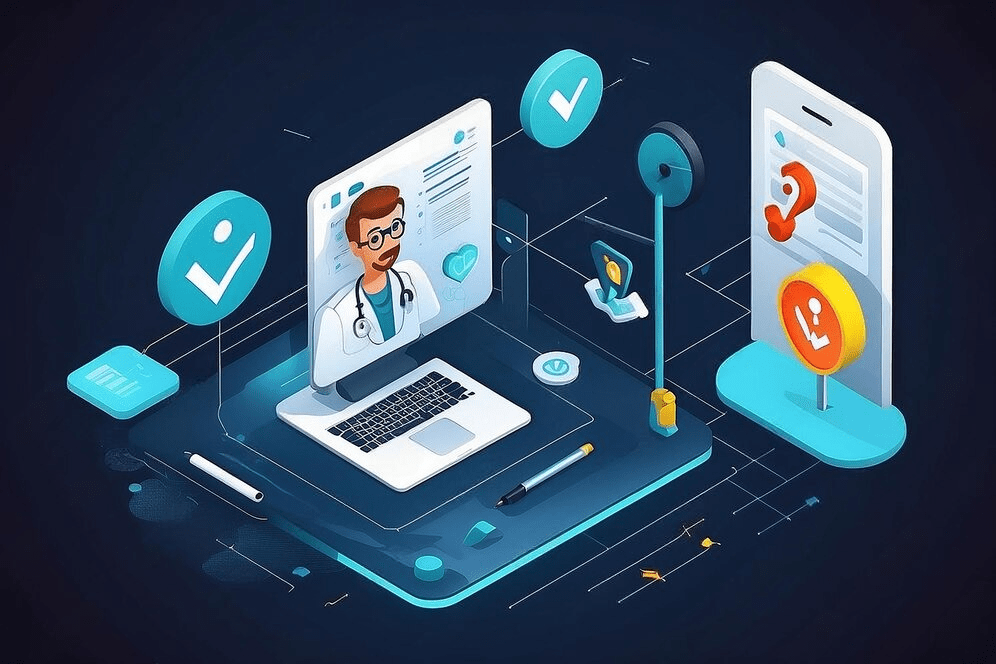

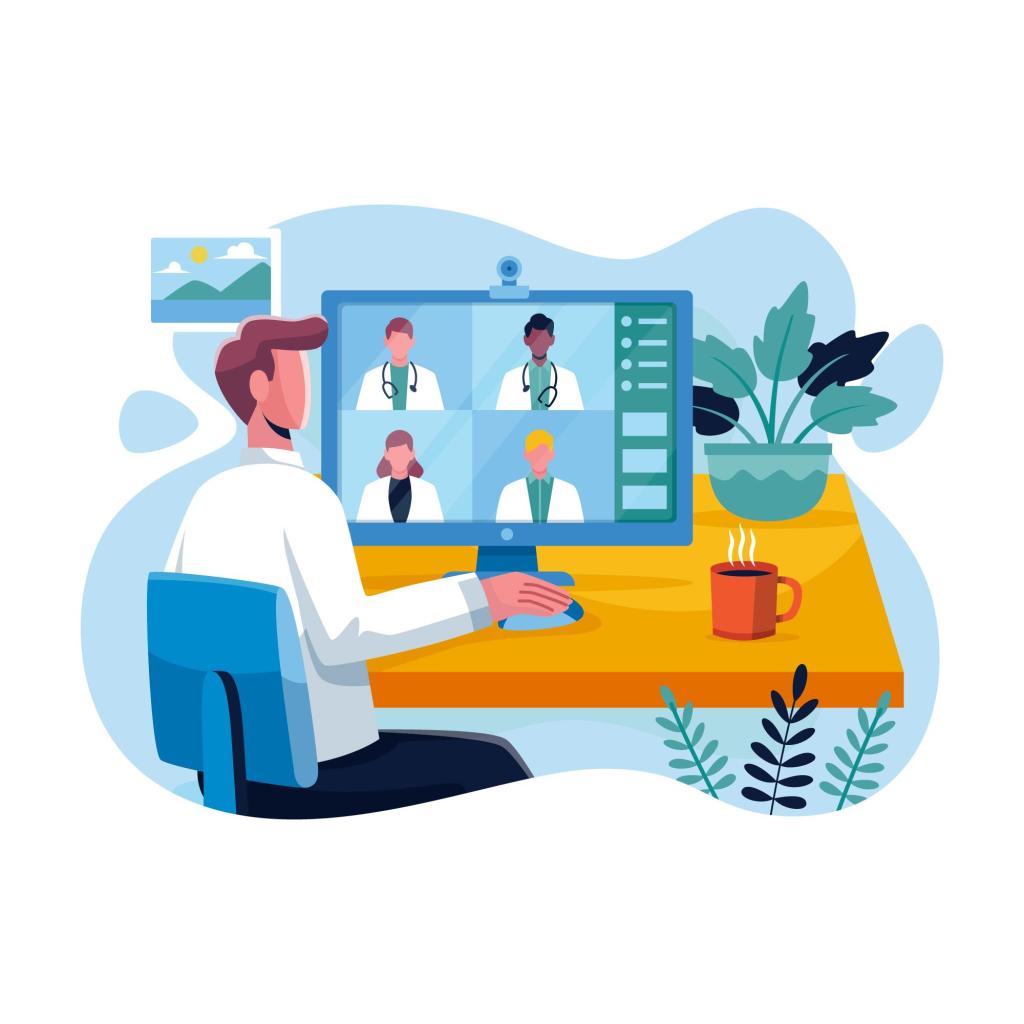
 Telemedicine App Development
Leave a comment